One supply chain platform. Five distinct processes. Start with yours.
AI that connects demand planning, replenishment, store operations, warehouse management, and master data on a single retail-native platform.






What is AI supply chain management for retail?
AI supply chain management for retail connects demand planning (forecasting, replenishment, allocation) with store and warehouse operations (MDM, order execution, receiving, pricing) on a shared data layer so planning decisions reflect operational reality.
Introducing CINDE Supply Chain Intelligence
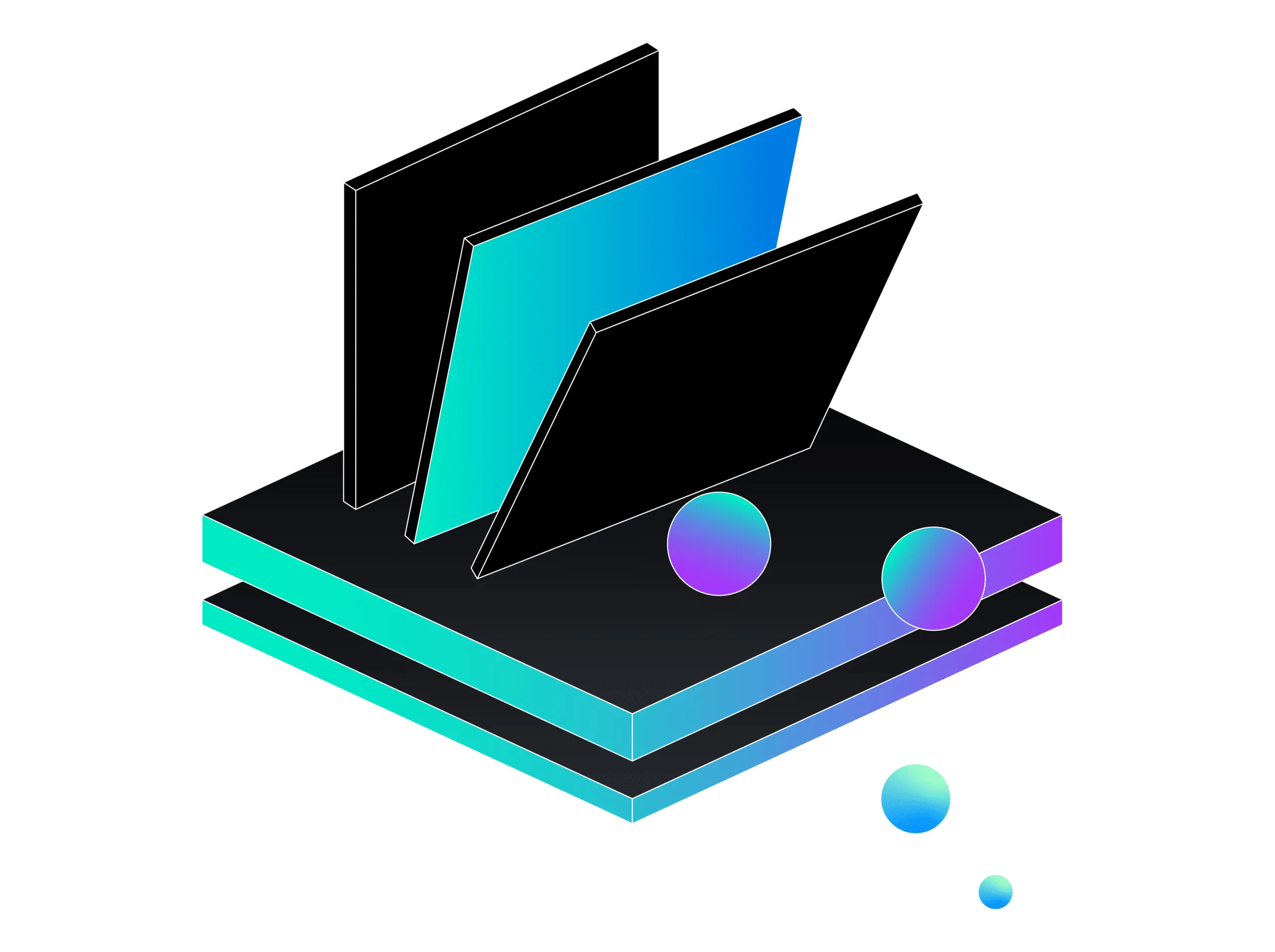
Demand Planning & Replenishment
Your forecasts drive your orders. When the forecast is wrong, everything downstream compounds: overstocks, shortages, waste, and lost sales.CINDE Demand Performance covers:
– AI demand forecasting at the item, store, and day level
– Automated store and DC replenishment driven by live forecasts
– Promotional and seasonal allocation to the right stores in the right quantities
> Explore Demand Forecasting
> Explore Replenishment & Allocation
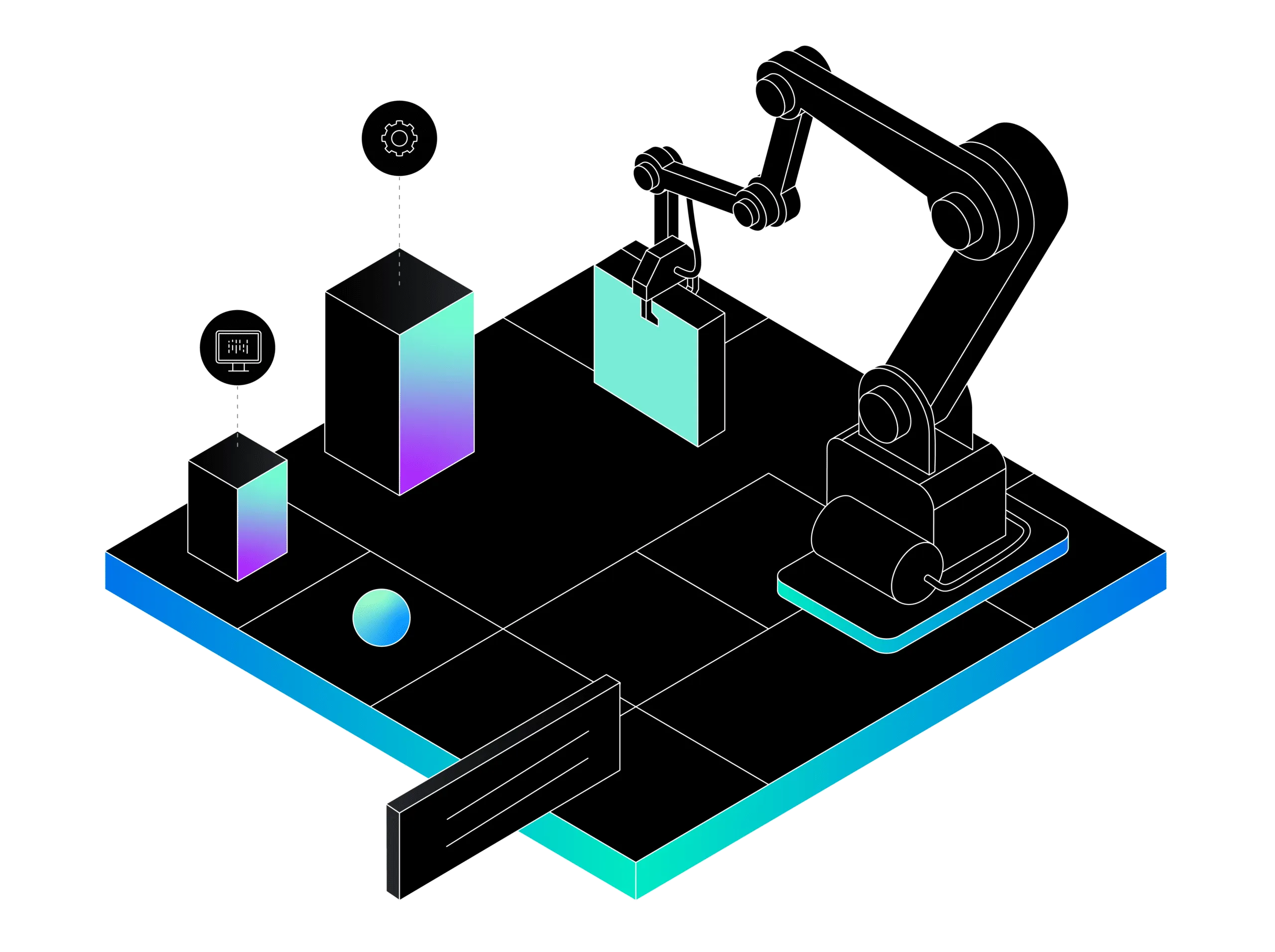
Store & Warehouse Operations
Your stores and DCs run on disconnected systems. Every handoff between them is a place where data falls through and margin leaks.
Gold Core Retail Operations covers:
– Master data management: the single source of truth for articles, suppliers, sites, and pricing
– Store operations: receiving, pricing, perpetual inventory, production, and mobile tools for store teams
– Order execution: automated order flow from stores to DC to vendor, across on-DC stock, cross-dock, direct delivery, and multi-echelon distribution
> Explore Store & Channel Operations
> Explore Central Operations Management
> Explore Retail Master Data Management
Results from real production deployments

-20% shortage, -10% waste
-20% shortage, -10% waste at a major European grocery retailer after deploying AI forecasting and automated replenishment across distribution centers. (Demand Planning & Replenishment)

-20% shortage, -10% waste
-20% shortage, -10% waste at a major European grocery retailer after deploying AI forecasting and automated replenishment across distribution centers. (Demand Planning & Replenishment)

-20% shortage, -10% waste
-20% shortage, -10% waste at a major European grocery retailer after deploying AI forecasting and automated replenishment across distribution centers. (Demand Planning & Replenishment)

-20% shortage, -10% waste
-20% shortage, -10% waste at a major European grocery retailer after deploying AI forecasting and automated replenishment across distribution centers. (Demand Planning & Replenishment)
Frequently asked questions about fuel and convenience retail

Industry estimates put global OOS losses at $1.4 billion per week. When a shopper encounters an empty shelf, 40% buy the item elsewhere and 10% do not buy it at all. The cost compounds: each missed sale also weakens demand signals used for future forecasting and replenishment.
CINDE covers two operational domains. Demand Planning and Replenishment includes AI demand forecasting, automated store and DC replenishment, and promotional/seasonal allocation. Store and Warehouse Operations includes master data management, order execution across every channel and logistics flow (on-DC stock, cross-dock, direct vendor delivery, multi-echelon distribution), store operations (receiving, pricing, perpetual inventory, production, mobile), and warehouse management. Both domains operate on a shared retail data layer.
Yes. CINDE layers on top of existing systems (SAP, Oracle, legacy ERP, WMS) through data connectors and standard feeds. There is no requirement to replace core transactional systems.
Demand planning determines how much to order and where to send it. Store operations determines what happens once products arrive: receiving, pricing, shelving, inventory tracking, and shelf monitoring. Different teams own each process and often use different systems. CINDE connects both on a shared platform so planning decisions reflect operational reality.
Get started with AI-powered supply chain management