IRIS Vision AI increases quality and operational insights
Implementing AI vision models in industry and manufacturing: extrapolating the high value of visual data for effective and practical use in AI ecosystems

Vision AI Studio automates manufacturing workflows

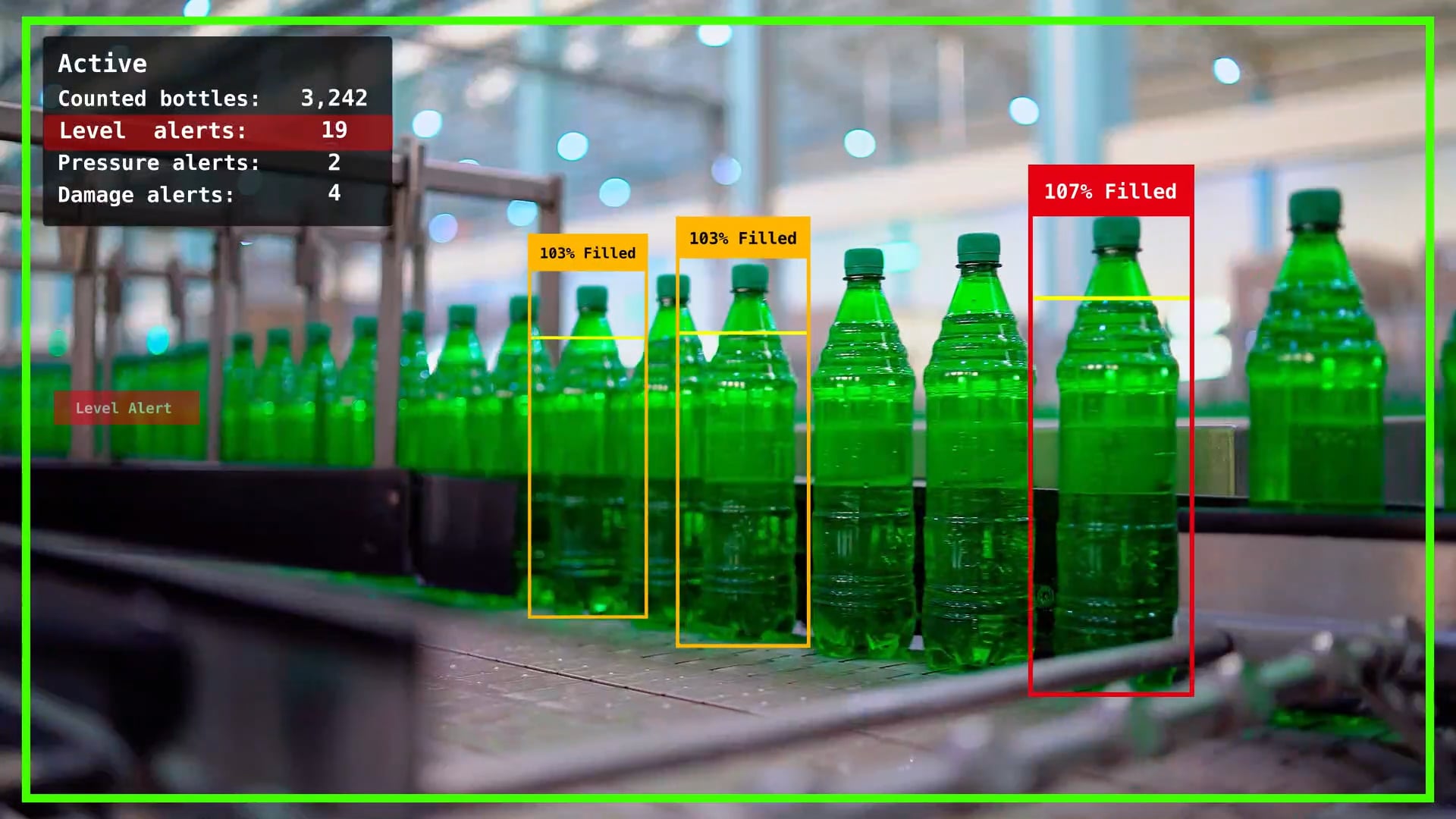
Identifying product anomalies and deviations, Vision AI enables industries to take corrective actions faster, increasing yield by reducing scrap and rework rates. Vision AI automates quality control, increasing the inspection frequency when compared to manual processes.

Visual data can be put in context with other data sources, such as time series and work orders, providing a holistic view into the state of operations for analysis.

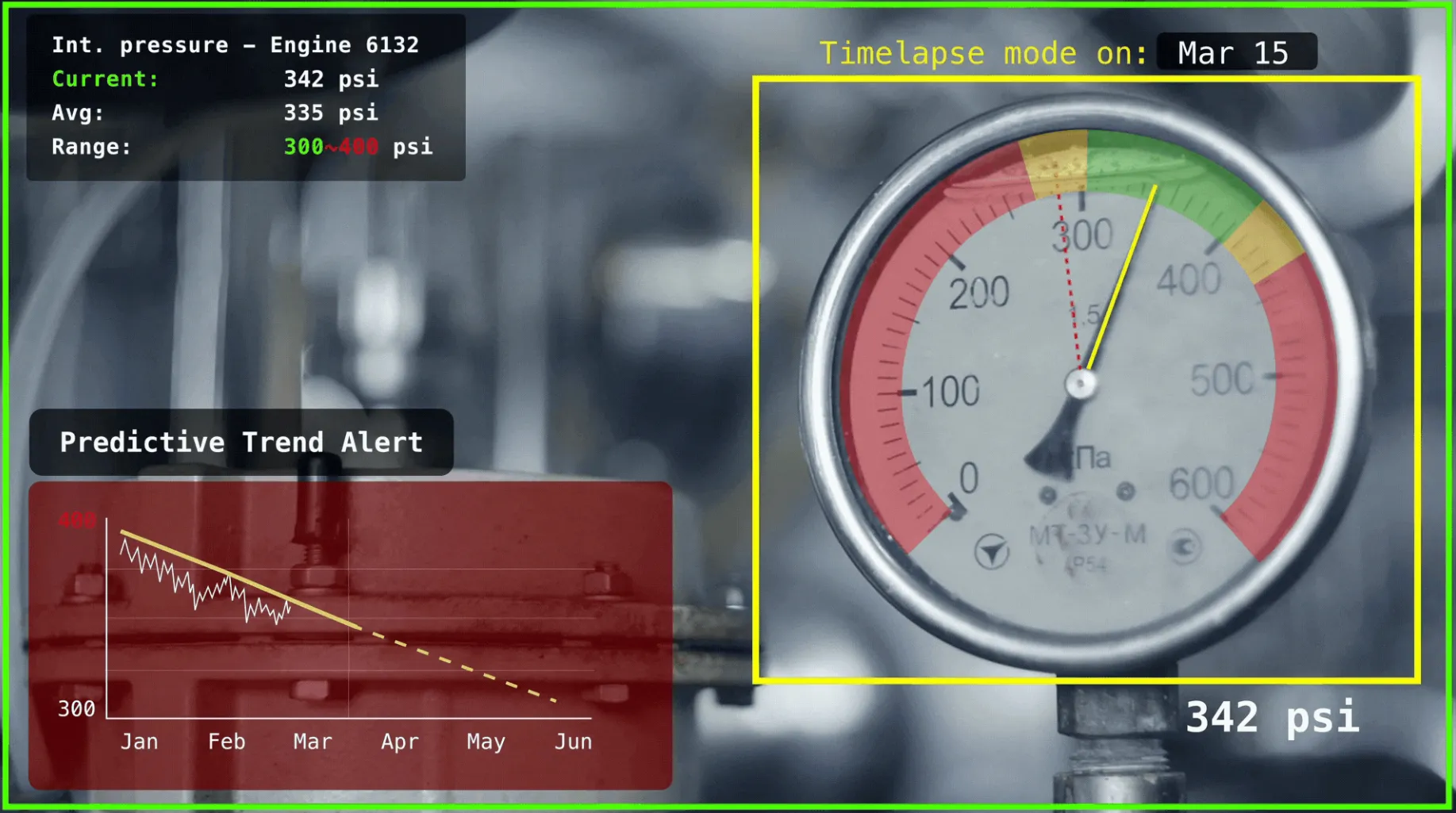
Discovering equipment anomalies and indicators of potential failure, Vision AI enables industries to adopt a predictive maintenance strategy, allowing the scheduling of repairs before equipment failures, minimizing downtime, extending machinery lifespan, and optimizing overall operational efficiency.

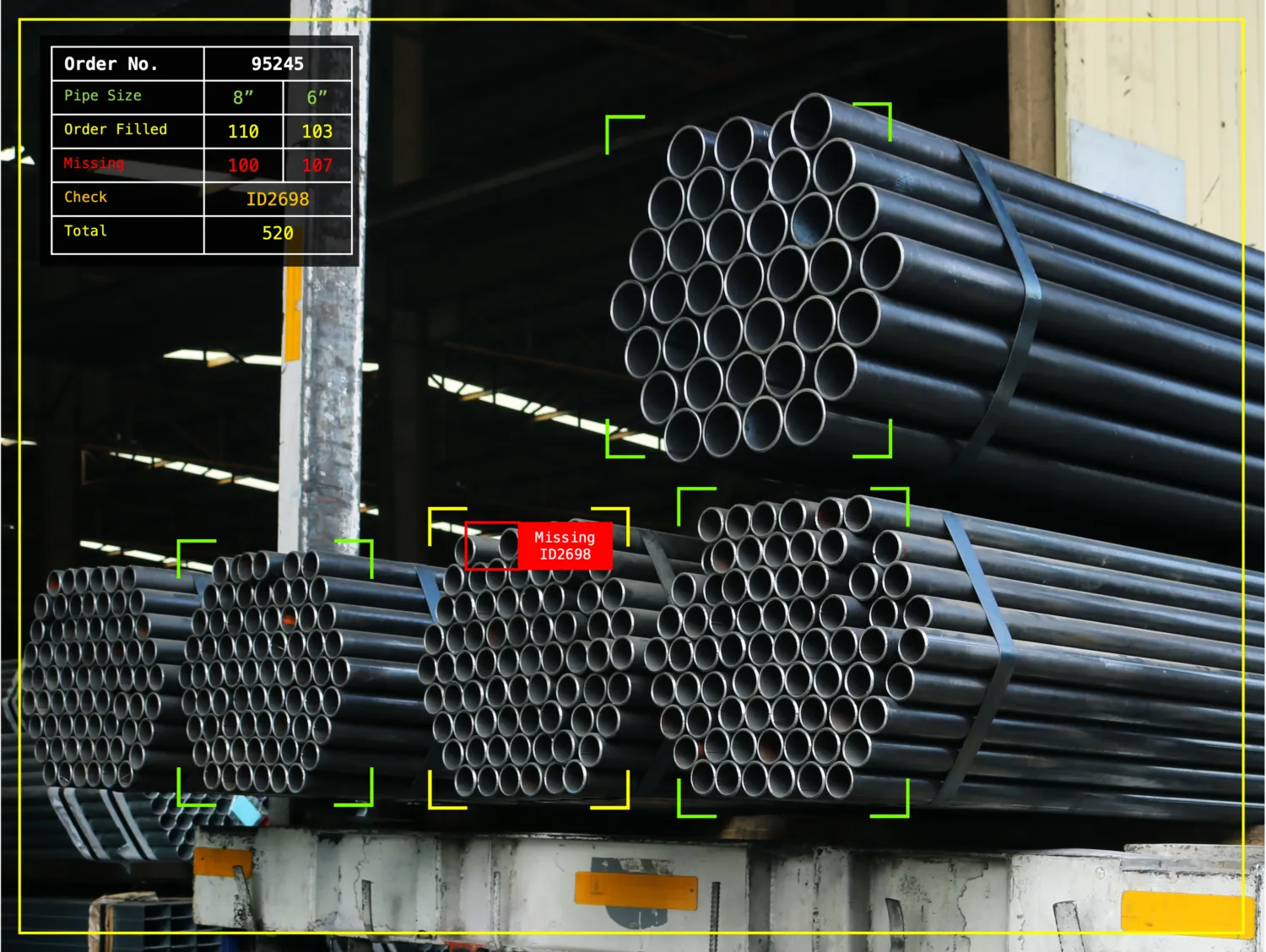
Vision AI provides reliable assistance and added assurance of visual data accuracy, significantly reducing the margin of error, and enhancing the precision of critical outcomes, such as defect detection and process monitoring.
Defining vision input data sources
- Vision AI systems are adept at processing a wide array of unstructured data sources, including high-definition CCTV footage, aerial drone imagery, high-resolution static photographs, and seamless real-time video streams.
- Versatility of input sources ensures comprehensive monitoring and surveillance across diverse industrial and manufacturing environments.
- Visions systems effectively minimize the reliance on manual routine & emergency inspections, while substantially improving the detection, notification, and response times of quality control measures.
Data modeling for vision AI
- Transforming visual data into industrial AI data models provides benefits such as precise and real-time identification of equipment malfunctions, product defects, and process anomalies, significantly reducing downtime and improving product quality.
- Leveraging AI data modeling with visual data sources allows for the optimization of industrial and manufacturing processes, monitoring of workflow efficiencies, safety and regulation compliance, and identification of areas for operational improvements.
- Create a unified understanding of processes and assets. Generate new insight by integrating image and video data sources into a structured data model with IRIS Foundry, a robust industrial DataOps platform.
Vision AI Studio Use Cases
- Automate quality control by integrating AI models with visual inspection systems, allowing manufacturers and industries to ensure consistent process and product quality and comply with industry standards while minimizing human error.
- Predict equipment failures before they occur by identifying subtle changes in machinery performance or appearance, enabling proactive maintenance and extending equipment lifespan.
- Increase frontline worker safety by continuously monitoring safety protocols and instantly identifying potential hazards, ensuring a safer environment for employees and dramatically reducing workplace accidents.
Compliance, privacy, and security

Strong adherence to industry regulations and standards is vital to ensure Visual AI systems operate within the bounds of international and local laws, avoiding fines and legal repercussions while fostering industry-wide trust.

Personal and corporate data privacy safeguards are crucial to protect the identities and sensitive information of individuals and businesses, preventing misuse and maintaining confidentiality in visual data processing.

Implementing advanced security measures to protect Visual AI systems from cyber threats and unauthorized access is essential to maintain the integrity and safety of the collected visual data.
Participating in ethical Vision AI usage and mitigating potential biases within Visual AI data are key to promoting fairness, accuracy, and non-discrimination in AI-assisted decisions, reinforcing public confidence in AI technologies.